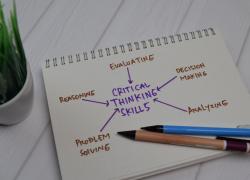

Phenomenological research design and a step-by-step guide on how to develop it?
This blog post provides a step-by-step guide on how to develop a phenomenological research design. By carefully following these steps, researchers can develop a robust phenomenological research design that captures the depth and essence of the lived experiences associated with their chosen phenomenon.

Selecting an ideal theoretical framework for ethnographic nursing studies
Choosing the right theoretical framework is crucial for ethnographic nursing studies, as it shapes the research approach and influences the interpretation of findings. Ethnography, with its focus on cultural contexts and lived experiences, requires a framework that aligns with its holistic and immersive nature. This blog post will explore the essential considerations and guide the researchers in selecting an ideal theoretical framework that enhances the depth and relevance of their ethnographic nursing studies. Understanding these frameworks can help nurses better capture and analyze the complexities of patient care within diverse cultural settings.

Similarities and Key Differences between Case Study and Historical Research Design
In this blog post, we highlight some of the apparent similarities and key differences between case study and historical research design.
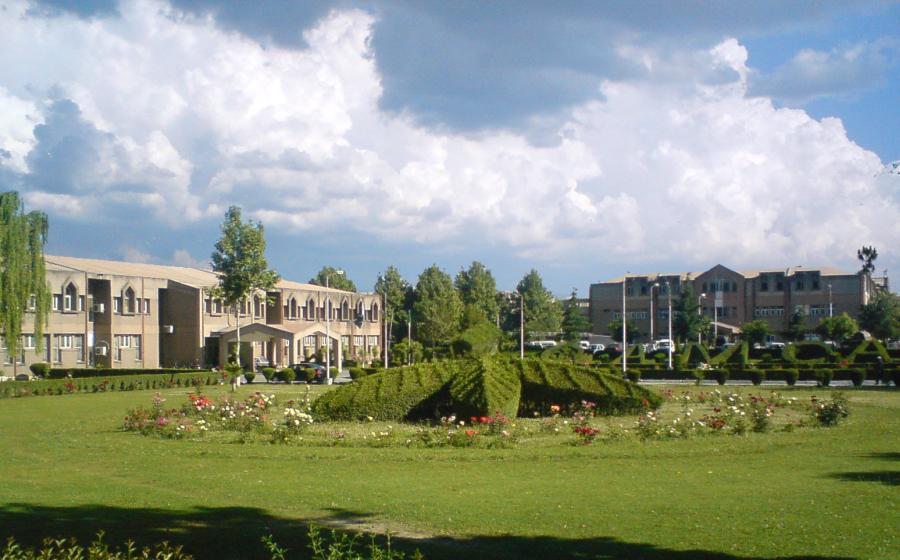
Some of the major challenges the new Vice-Chancellors shall confront in the Universities in Pakistan
This blog post is aimed at underlining some of the pressing challenges confronted by the public sector in Pakistan so that the newly appointed academic heads pay special attention to address it. These mainly embrace: i). prevailing administrative vacuum, ii). Looming financial crunch, iii). Digitalization and iv). Politically motivated meddling in the universities’ affairs.
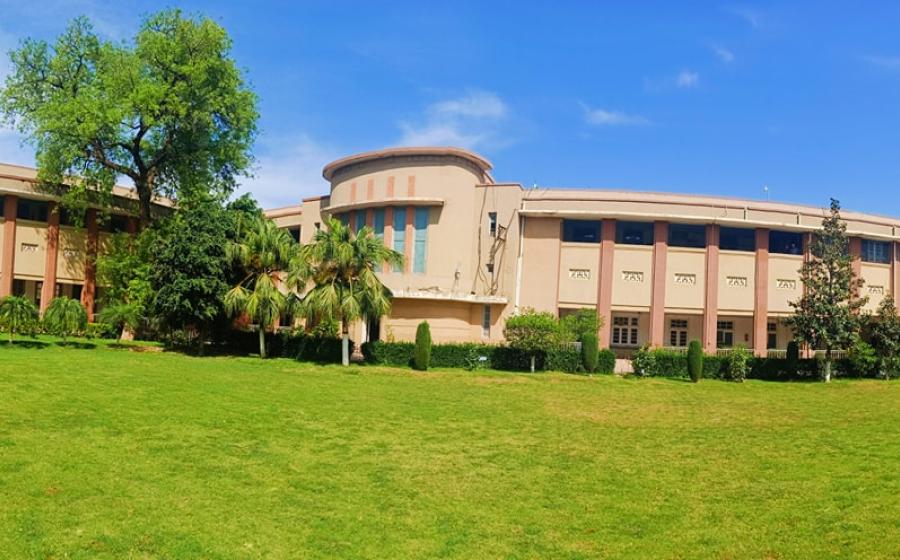
The 02 important reasons why the Vice-Chancellor of a Technology University resigned?
This article takes stock of the financial health of the institutions of higher education in Pakistan, how it is getting worse and how the overall governance and financial sustainability of the public sector universities is becoming cumbersome.
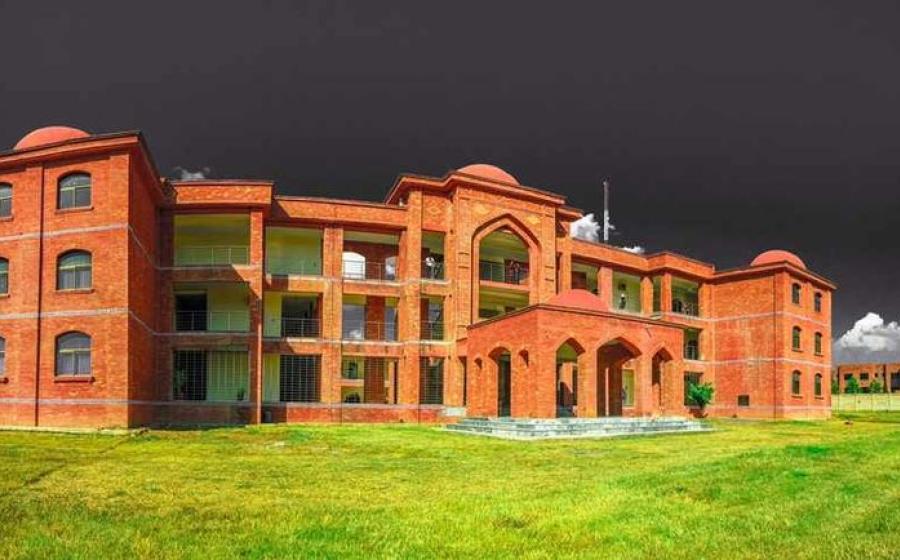
The 02 years performance of PTI Government and miserable condition of universities in Pakistan
The Pakistan Tehreek-e-Insaf (PTI) government, under the leadership of Prime Minister Imran Khan, came to power with a promise of significant reforms across various sectors, including education. As we mark the two-year performance of the PTI government, it is crucial to evaluate its impact on the higher education landscape in Pakistan. Despite the ambitious goals set forth, universities across the country continue to face severe challenges, including inadequate funding, infrastructural deficits, and academic inefficiencies. This blog post delves into the current state of universities in Pakistan, examining the extent to which the PTI government's policies have influenced their performance and addressing the ongoing struggles that continue to hinder educational progress.
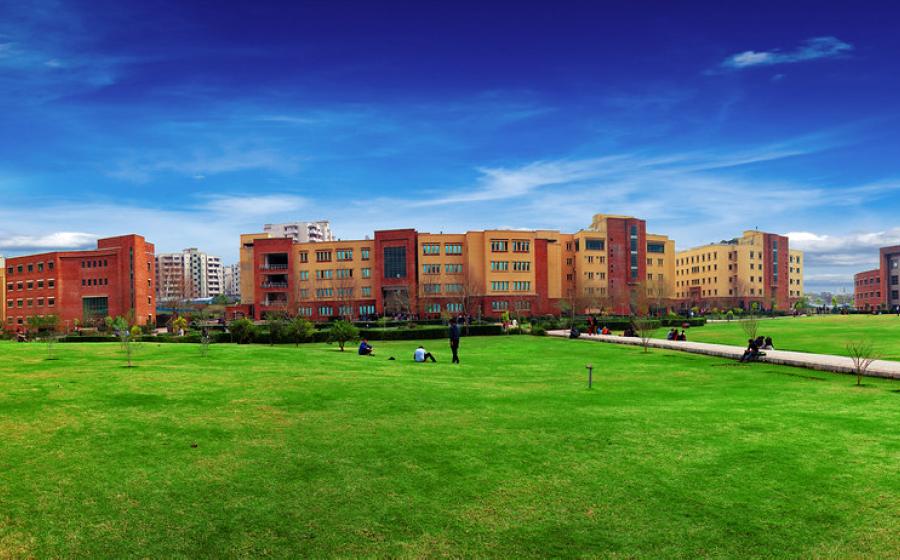
The 03 important challenges awaiting the new Vice-Chancellors in Universities in Pakistan
The blog post is aimed at bringing to the limelight three important challenges, the newly appointed academic heads should pay particular attention to. These include financial crises, digitalization and political intervention in the universities affairs.

The 03 important models for effective university-industry linkages: What developing countries like Pakistan can learn from it?
This blog post explores three important models of University-Industry collaboration that have proven effective in harnessing the strengths and potential of the two sectors.

The 05 alarming trends of drug addiction in the universities in Pakistan
This blog post is aimed at highlighting this sorry state of affairs of drug addiction in our educational institutions. While discussing some important lessons this article shares the emerging trends of drug addiction among student population with a view to delineate what the concerned authorities are doing and what should be done to correct the situation.